
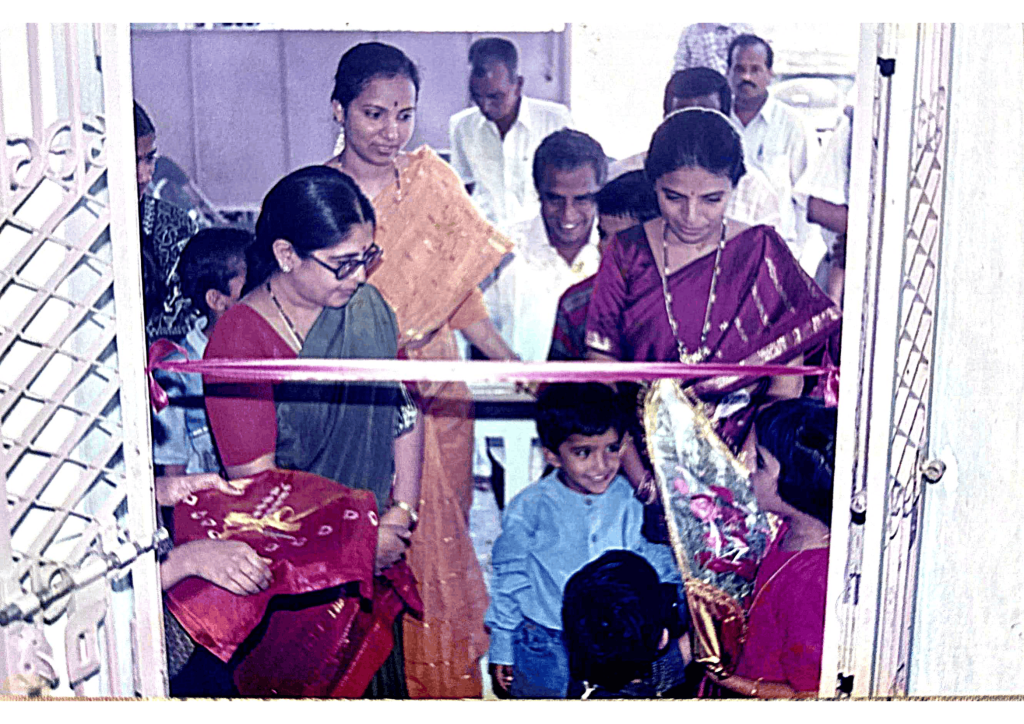
In 1997, what began as a father’s concern for his own child slowly grew into a deeper reflection on education. His son was unhappy and disturbed by his early experience of schooling, leaving the family searching for an alternative—a way of learning that would nurture the child rather than overwhelm him.
That search became a dream: to create a space where children could learn with joy, dignity, freedom, and a sense of belonging.
In 1998, that dream took its first tangible form with the birth of Samagna.
Samagna began not with the intention of building an institution, but with the simple and deeply human desire to help one child heal and rediscover the joy of learning. It was founded with the blessings of the family elders and under the gracious mentorship and guidance of Mrs. Lakshmi Krishna Kumar, Director of Training, MTRT.
The first steps were modest, but the vision was profound. The school was conceived as a place where the child would be at the heart of education—a place where learning could unfold naturally, respectfully, and meaningfully.
What began as an effort to console one child soon became an invitation to many others.
A small beginning, born from love, was about to become a larger journey of faith in the child.
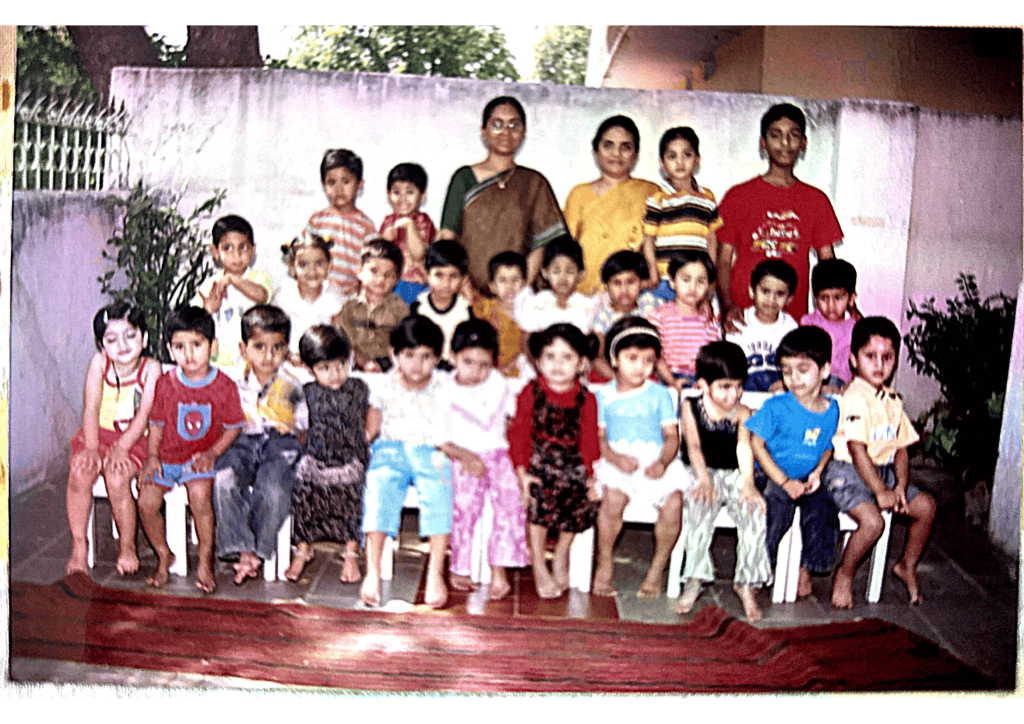
The early years of Samagna were filled with both growth and challenges.
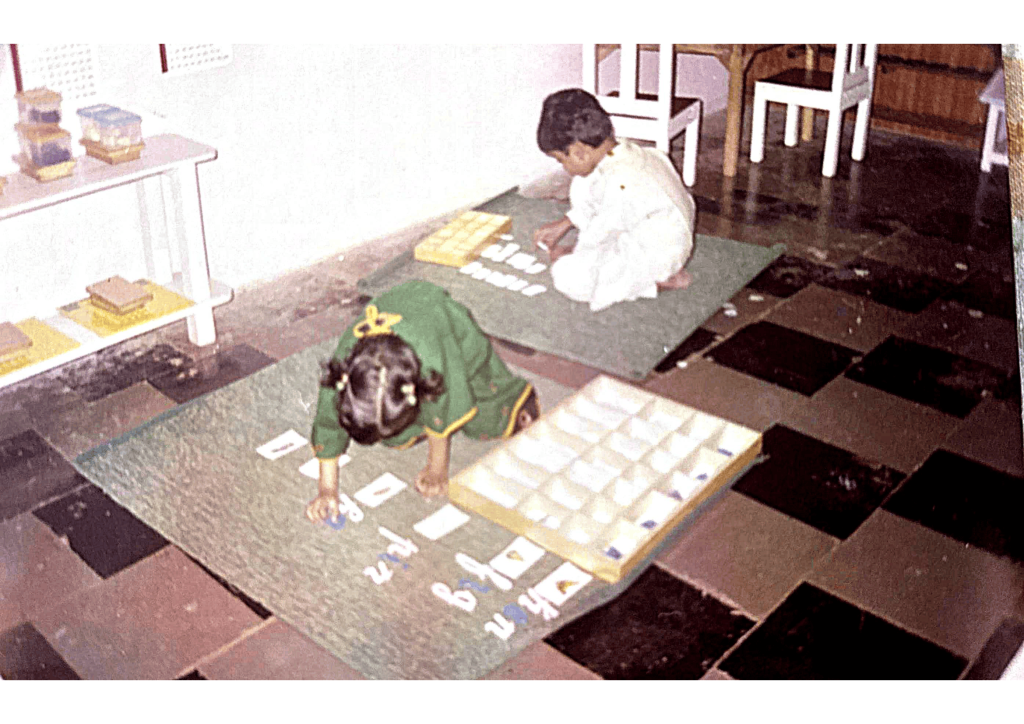
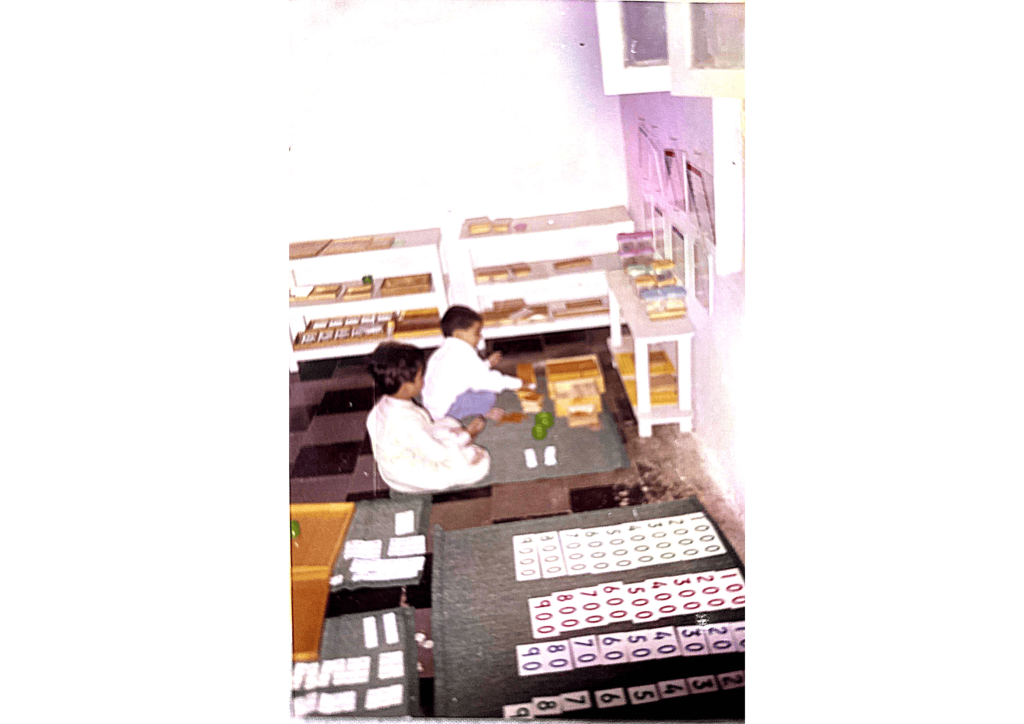
What had begun in a home with just nine children gradually grew to around 45 children. The increasing number of children made it clear that Samagna was becoming more than a small experiment—it was slowly becoming a community of learning.
In 2001, with a growing vision for the future, an old building in Madhav Nagar, Saidabad was purchased. It was an important step forward and became the second premises in Samagna’s journey.
But growth does not always happen without difficulty.
Soon after moving into the new premises, Samagna faced a period of uncertainty. Some children left to join conventional schools, and admissions declined. The newly acquired building, which had once represented hope and expansion, suddenly carried the quietness of empty corridors.
It was a deeply discouraging period.
Yet it was also a defining moment.
At a time when the future seemed uncertain, a few committed and experienced Montessorians stood firmly beside Samagna. Their faith and encouragement helped the school remain true to its principles rather than compromise them in response to circumstances.
Their support reaffirmed something fundamental: education centred on the child was not merely an alternative—it was a philosophy worth standing by.
The Madhav Nagar years therefore became more than a chapter about a building. They became a chapter about resilience, conviction, and the courage to remain faithful to a vision even when the path became difficult.
Samagna emerged from this period stronger, clearer in its purpose, and more deeply rooted in the Montessori way of seeing the child.
The school was learning, too—not merely how to grow, but how to endure.
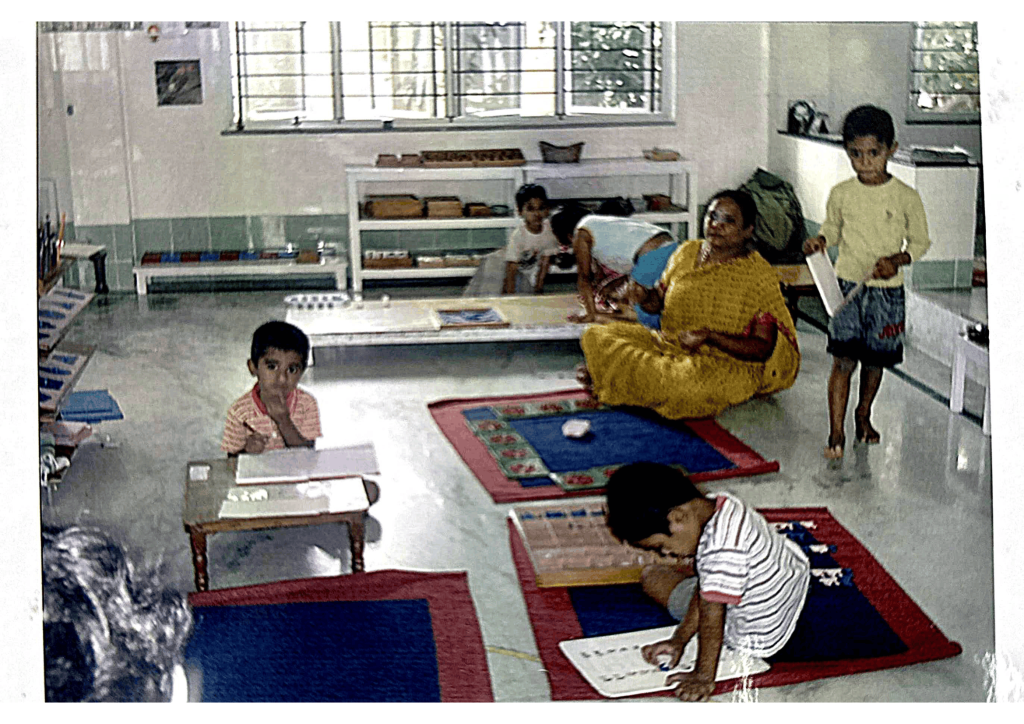
As the years passed, Samagna began to earn the trust of the wider community.
There was no elaborate publicity campaign. Instead, the school grew through something far more meaningful—word of mouth. Parents spoke to other parents. The community began to recognise Samagna as a place deeply committed to Montessori philosophy and genuinely child-centred education.
The growing trust brought with it a new request from parents: they wanted their children to be able to continue their educational journey at Samagna for the higher levels as well.
With the school growing and the needs of the children evolving, it became clear that the old premises in Madhav Nagar could no longer adequately support the vision for the future.
In 2005, Samagna moved temporarily into a rented building.
This was not an end, but a transition.
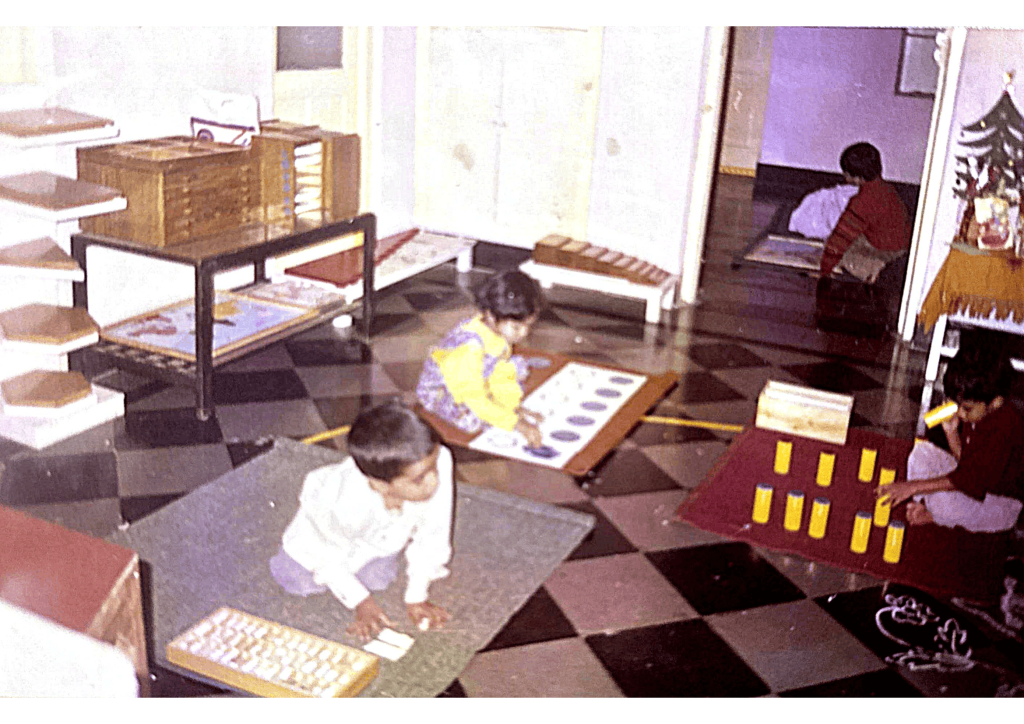
The vision was already looking beyond a temporary home. A new premises was conceived and developed in accordance with Montessori principles, with the intention of creating an environment that was not simply a school building, but a space thoughtfully prepared for the growing child.
Then, in 2006, a new chapter began.
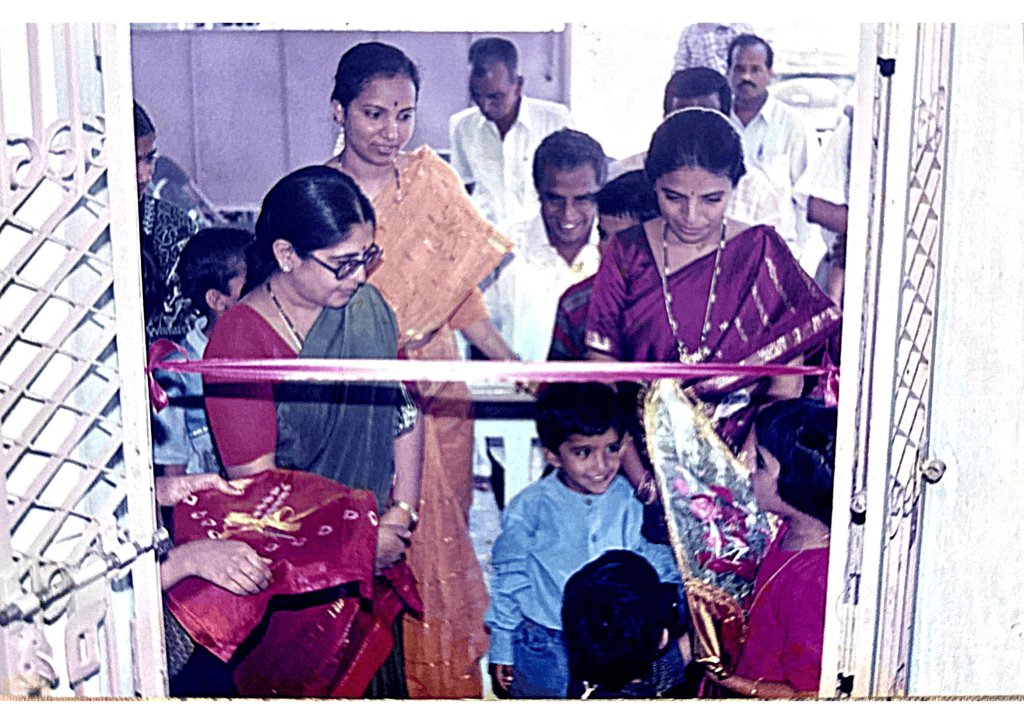
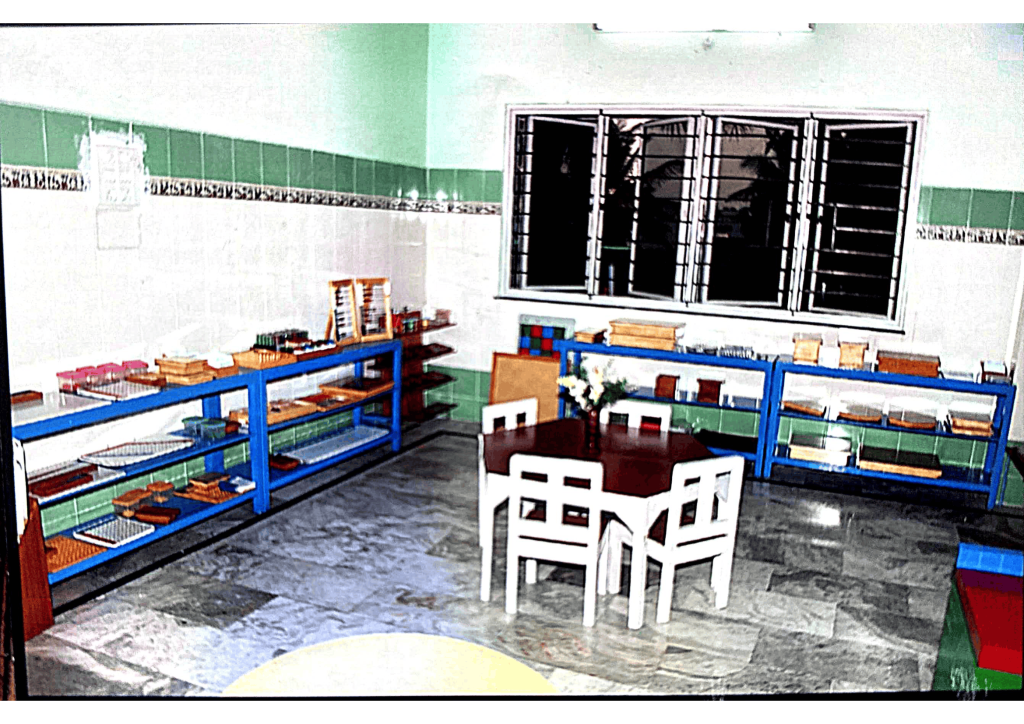
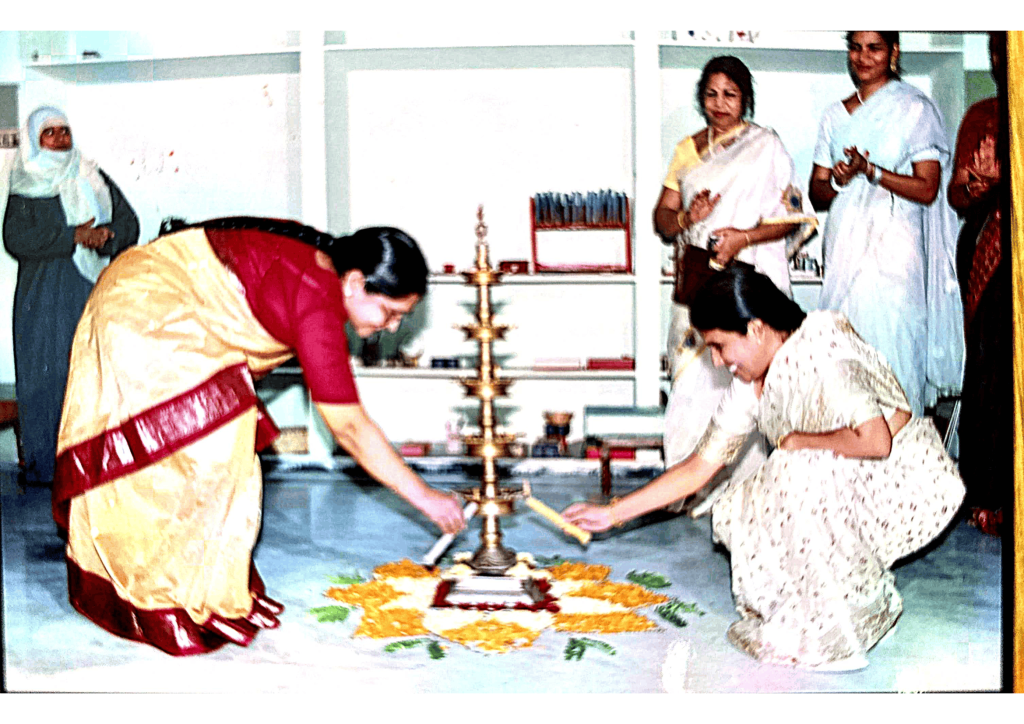
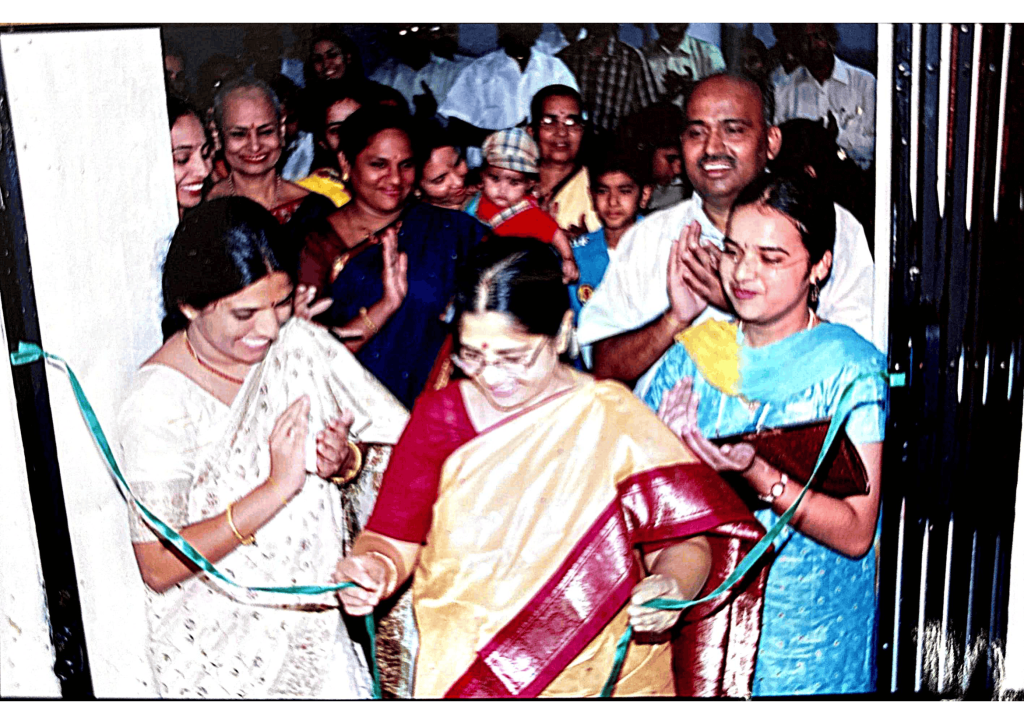
Samagna reopened in its new premises, marking a significant milestone in the school's journey. The new environment gave the growing community a home that was better aligned with its philosophy and aspirations.
The journey from a small beginning at home to a purpose-built school was a testament to the faith of the families, the dedication of the educators, and the unwavering belief that the environment plays an essential role in the development of the child.
A new building stood before us—but more importantly, a renewed vision stood behind it.
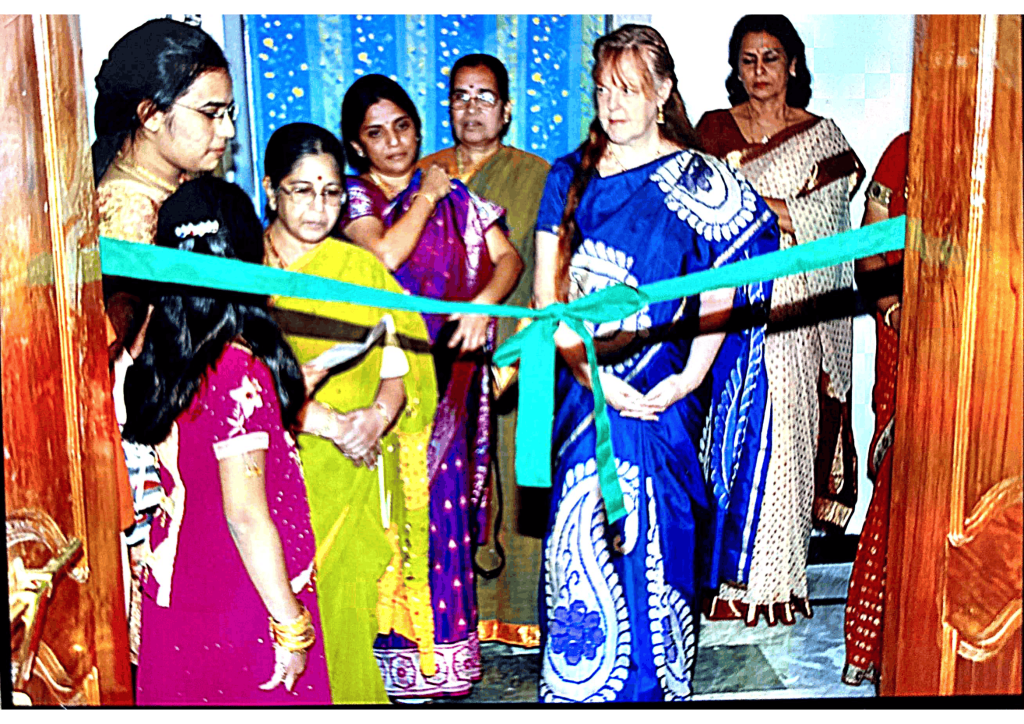
The desire of parents to see their children continue their Montessori journey at Samagna had remained close to the heart of the school.
The establishment of the new premises in 2006 created the space for Samagna to look towards the next stage of its development. But to offer an authentic Montessori Elementary environment, the school needed not only a classroom—it needed deeper preparation, understanding, and commitment to the Montessori vision.
An important opportunity arose in Chennai, where the Elementary Diploma course was being offered. It was described as the first such course in India, opening a significant new chapter in Montessori education in the country.
With God’s grace, the founder had the opportunity to undertake the course and complete this important professional preparation.
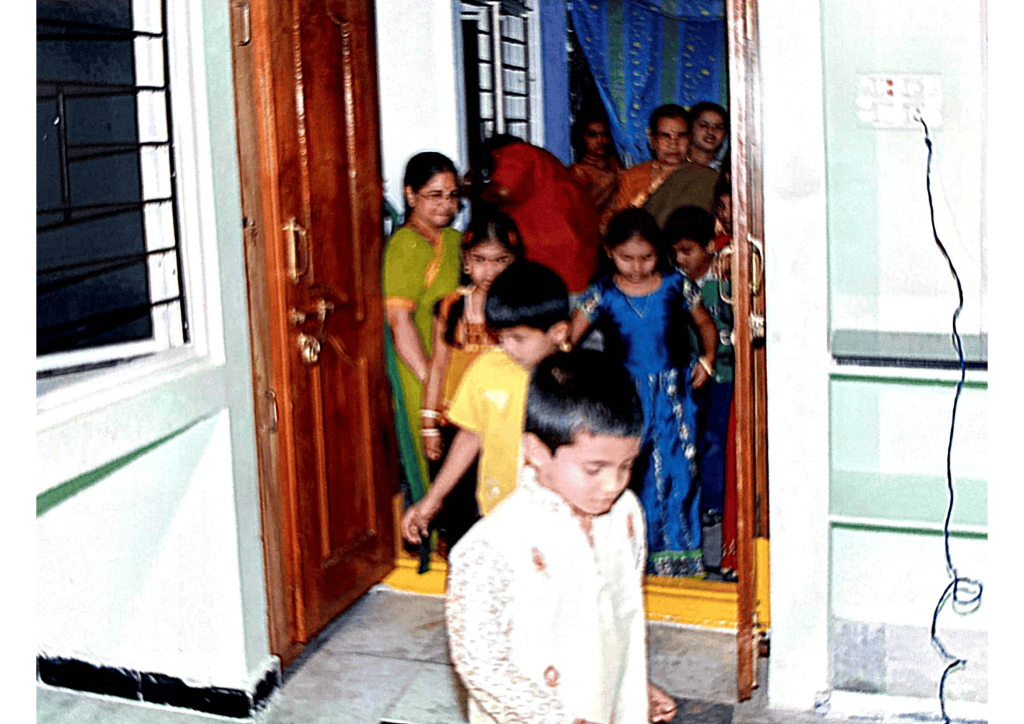
In 2009, upon completing the Elementary course, Samagna took another historic step: its first Elementary classroom was established.
For the children and families who had wished to continue their journey within Samagna, this was the fulfilment of a long-held aspiration.
The journey that had begun in 1998 with a small group of children was now expanding into a more complete educational path—allowing children to remain within an environment founded upon respect for their development, independence, curiosity, and potential.
The opening of the first Elementary classroom was therefore not simply an expansion of the school.
It represented the continuation of a promise made years earlier:
that a child who entered Samagna would be given the opportunity to keep growing, exploring, and learning in an environment that honoured the child.
From one child, to nine children, to a growing community—and now into the Elementary years—the original seed planted in 1997 continued to grow.
The tree was no longer merely a dream. It was becoming a home for generations of children.
1998 - The Birth of Samagna
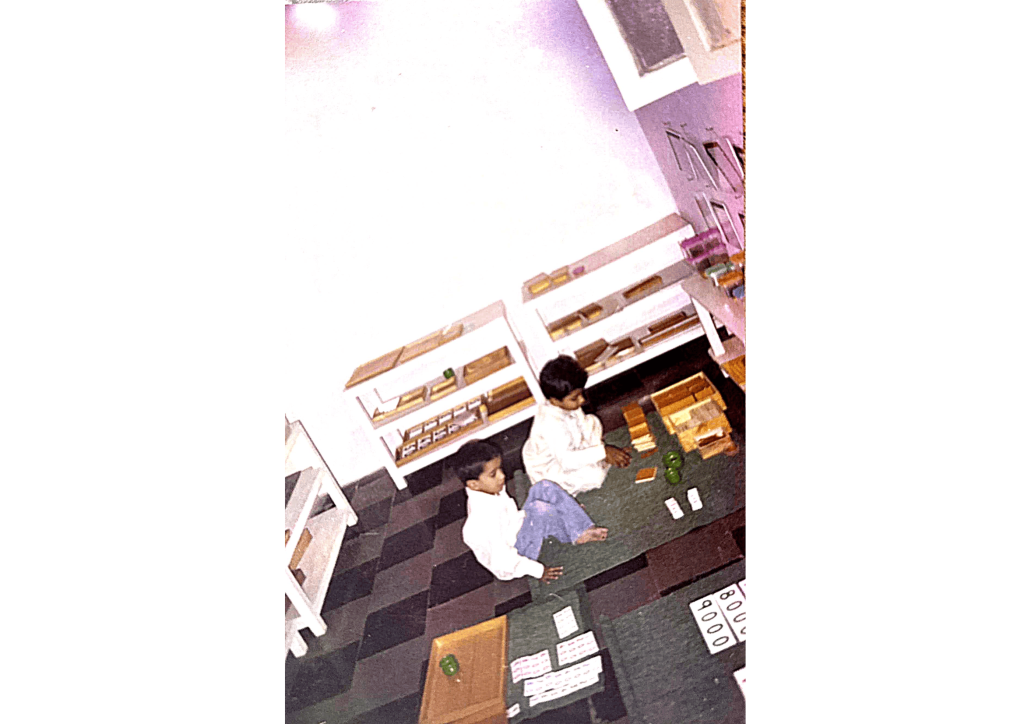
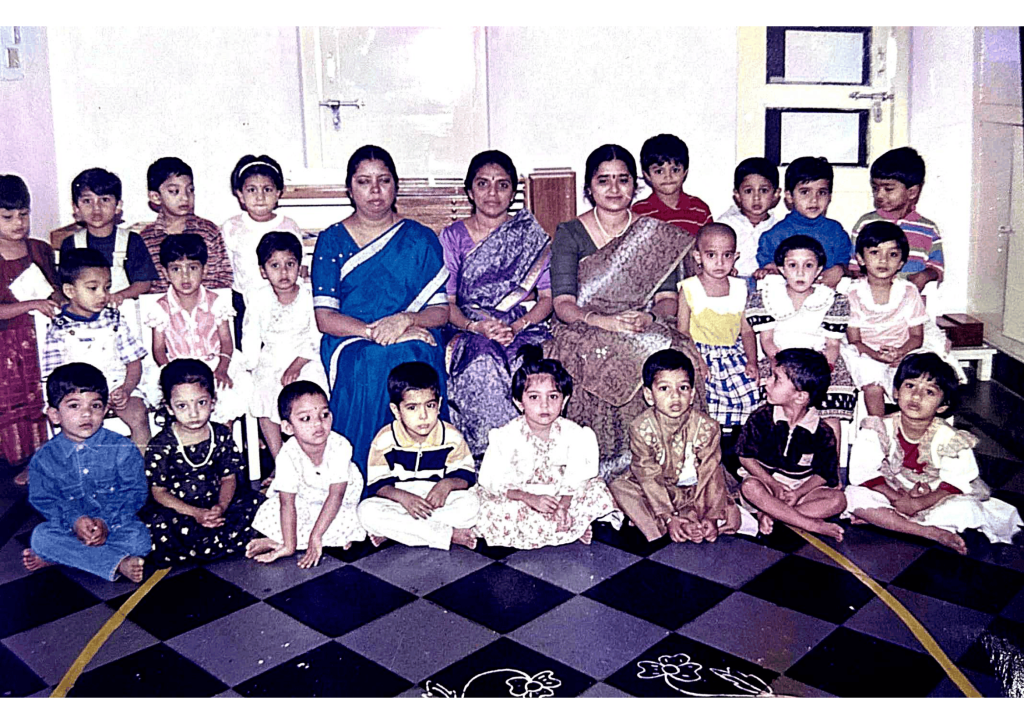
It all began with a thought, born from a need.
A restless search for an alternative...
A child's quiet disturbance...
The deep fear in a parent's heart...
And a school's negligence — together, they sowed a seed.
A seed that longed to grow into a tree —
A tree in whose cool, compassionate shade, true learning could happen.
This thought stirred within me in 1997.
It slowly took shape, not as an institution, but as a tender attempt to heal my own child — my son — who was unhappy where his learning had begun, carrying a trauma that needed to be consoled with love, not lessons.
And so, with that love as the foundation, Samagna was born in 1998 — with the blessings of our family elders and under the gracious mentorship of Mrs. Lakshmi Krishna Kumar, Director of Training, MTRT.
What started as a parents effort to comfort their son, became a home for many children to grow in joy.
2001-The Second Chapter of Our Journey
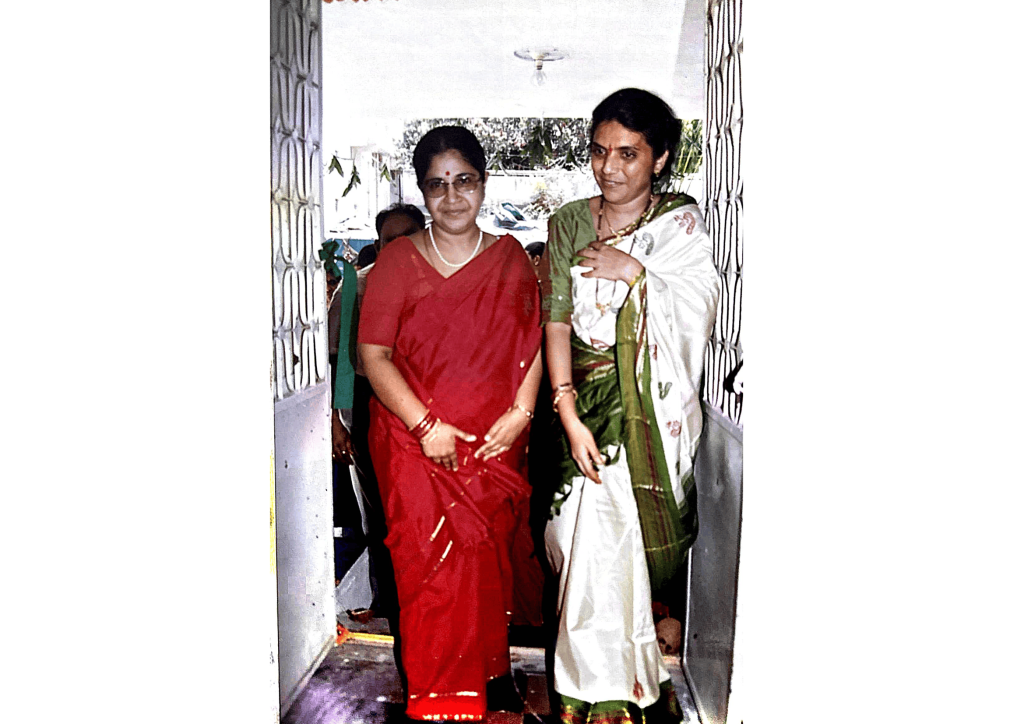
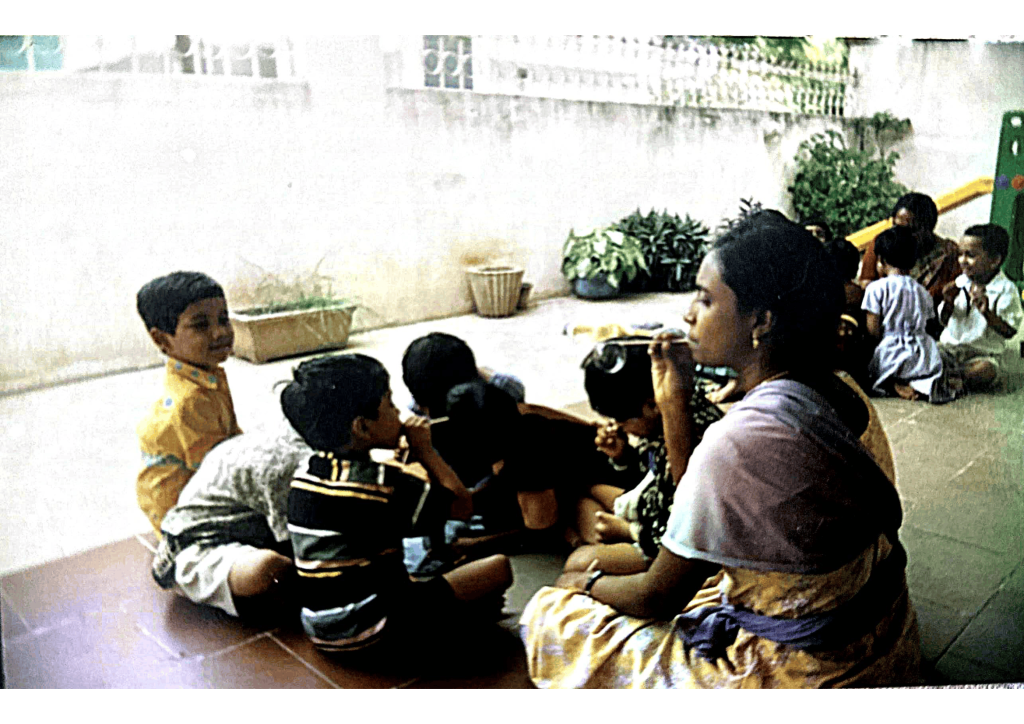
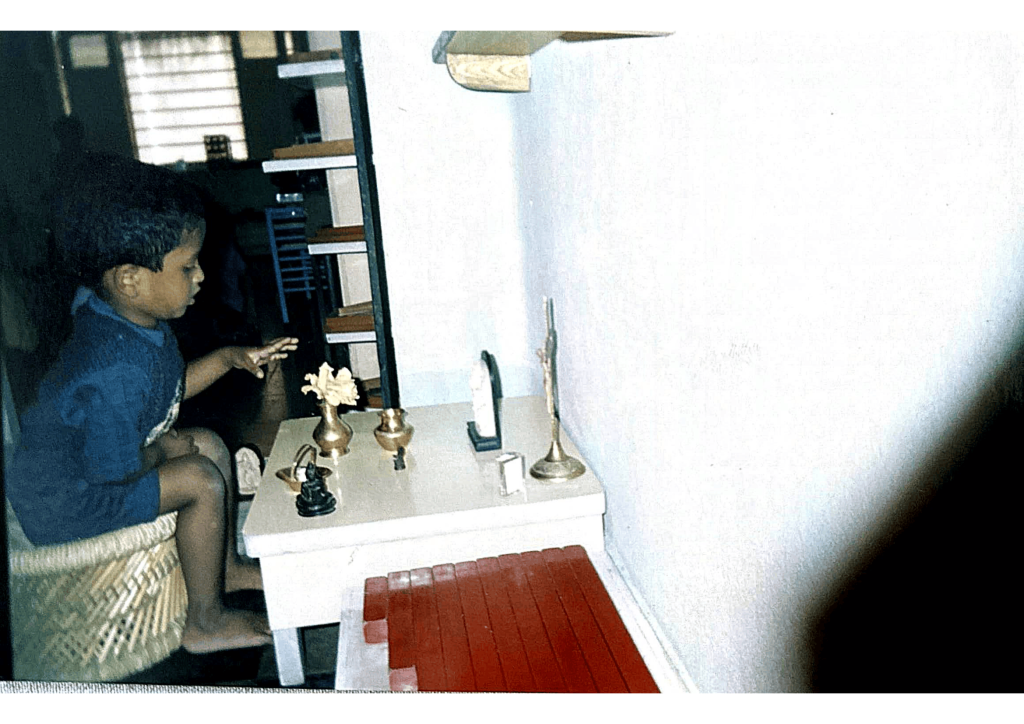
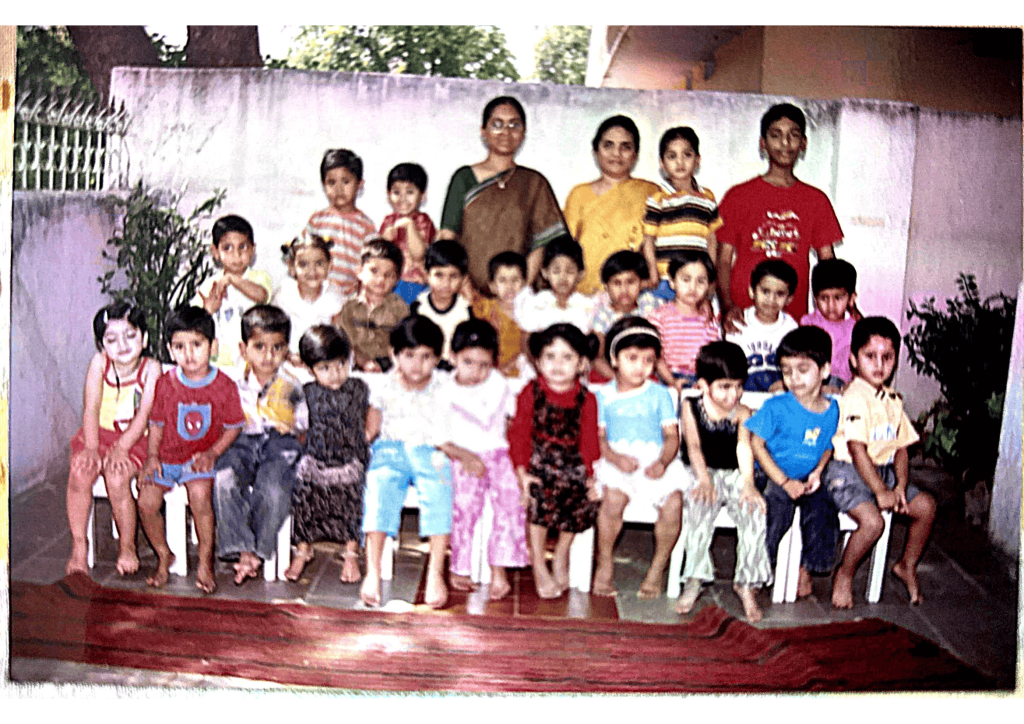
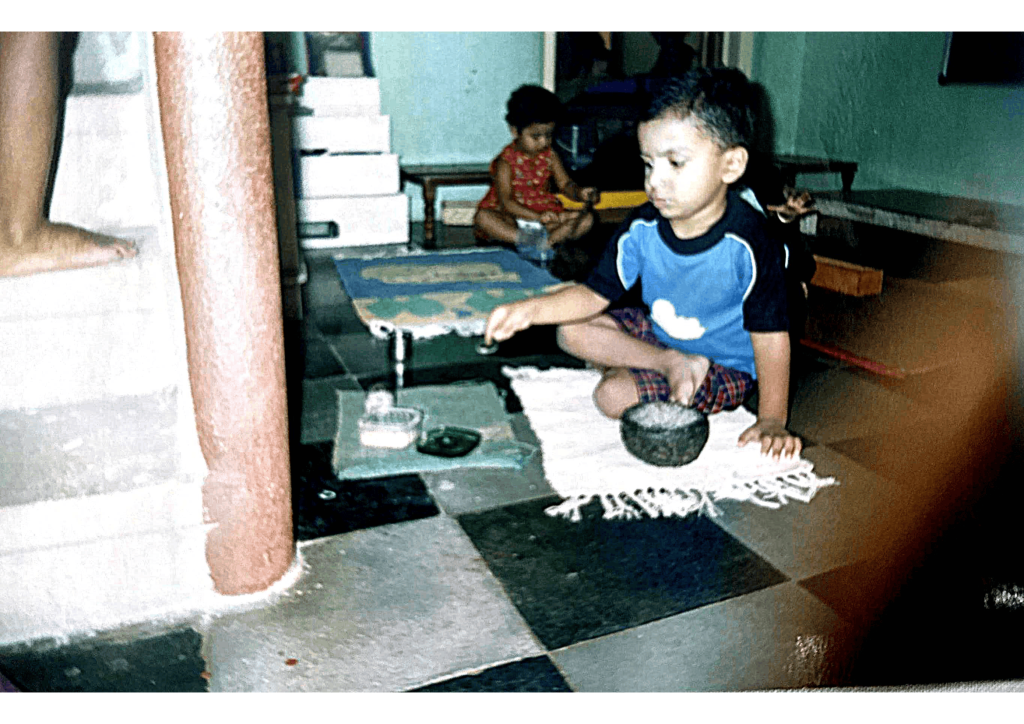
The first school began at home, with just 9 children. With love and trust, it slowly grew to 45 children.
we now need a separate home for our children. A real school building.
So, in 2001, we purchased an old building in Madhav Nagar, Saidabad. It was a big step, taken with great hope.
But just after a year, life tested us. Many children left us for traditional schools. Admissions fell. After purchasing the new building, there was a deep disappointment — a quiet silence in the corridors we had dreamed would be full of joy.
It was a difficult time.
Yet, in that difficult time, a few true Montessorians stood by us strongly. With unwavering faith, they lifted Samagna again — holding high its values as a truly child-centred school.
That old building in Madhav Nagar became the second premises in our journey — not just of bricks, but of resilience, faith, and belief in the child.
2006 - A New Home, A Renewed Vision
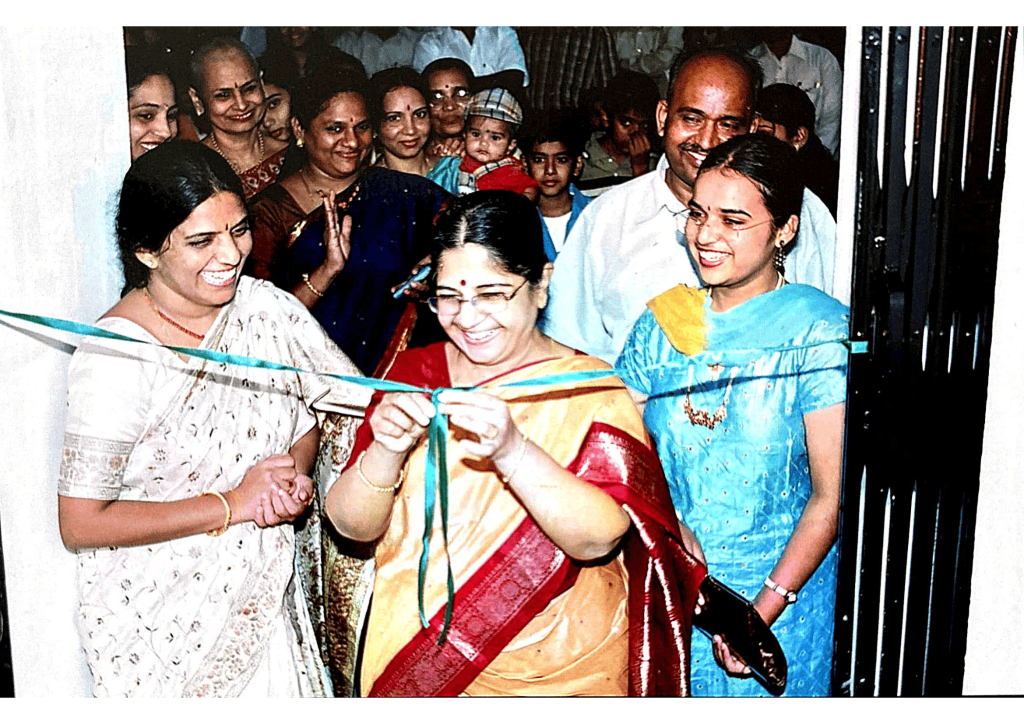
As the years passed, Samagna began to earn the trust of the wider community.
There was no elaborate publicity campaign. Instead, the school grew through something far more meaningful—word of mouth. Parents spoke to other parents. The community began to recognise Samagna as a place deeply committed to Montessori philosophy and genuinely child-centred education.
The growing trust brought with it a new request from parents: they wanted their children to be able to continue their educational journey at Samagna for the higher levels as well.
With the school growing and the needs of the children evolving, it became clear that the old premises in Madhav Nagar could no longer adequately support the vision for the future.
In 2005, Samagna moved temporarily into a rented building.
This was not an end, but a transition.
The vision was already looking beyond a temporary home. A new premises was conceived and developed in accordance with Montessori principles, with the intention of creating an environment that was not simply a school building, but a space thoughtfully prepared for the growing child.
Then, in 2006, a new chapter began.
Samagna reopened in its new premises, marking a significant milestone in the school's journey. The new environment gave the growing community a home that was better aligned with its philosophy and aspirations.
The journey from a small beginning at home to a purpose-built school was a testament to the faith of the families, the dedication of the educators, and the unwavering belief that the environment plays an essential role in the development of the child.
A new building stood before us—but more importantly, a renewed vision stood behind it.
2009 - The Elementary Journey Begins
The desire of parents to see their children continue their Montessori journey at Samagna had remained close to the heart of the school.
The establishment of the new premises in 2006 created the space for Samagna to look towards the next stage of its development. But to offer an authentic Montessori Elementary environment, the school needed not only a classroom—it needed deeper preparation, understanding, and commitment to the Montessori vision.
An important opportunity arose in Chennai, where the Elementary Diploma course was being offered. It was described as the first such course in India, opening a significant new chapter in Montessori education in the country.
With God’s grace, the founder had the opportunity to undertake the course and complete this important professional preparation.
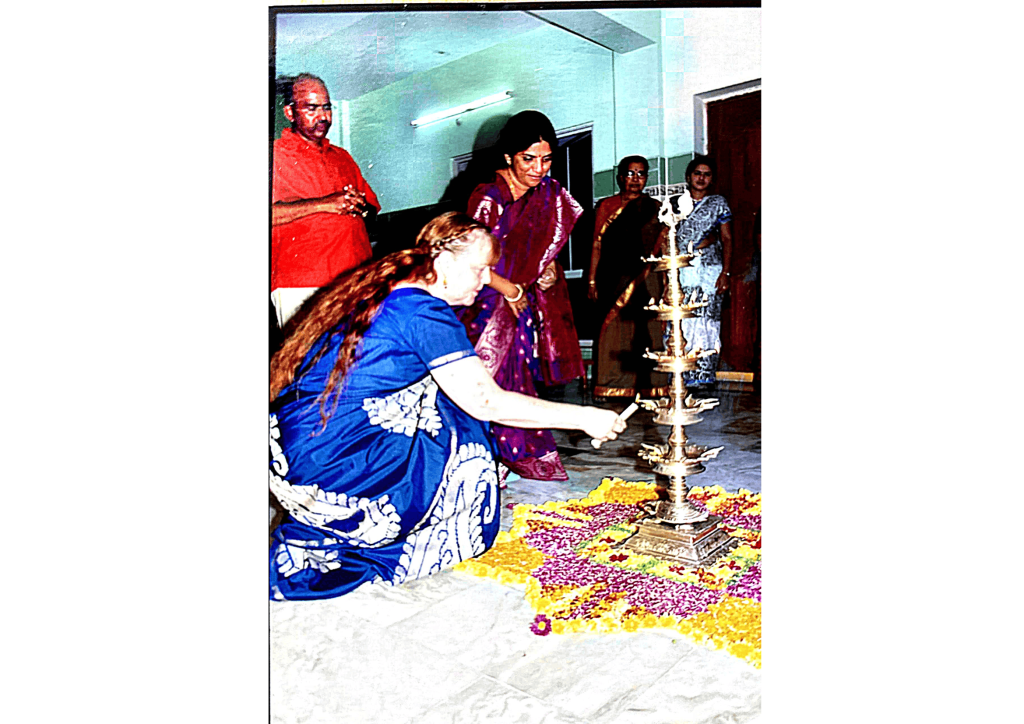
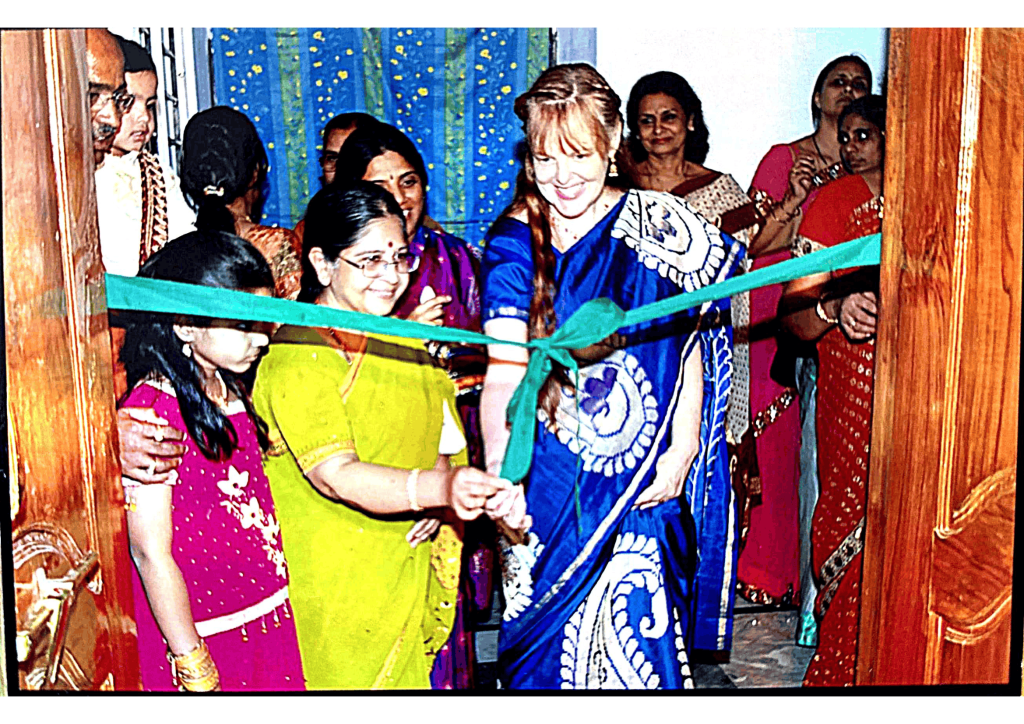
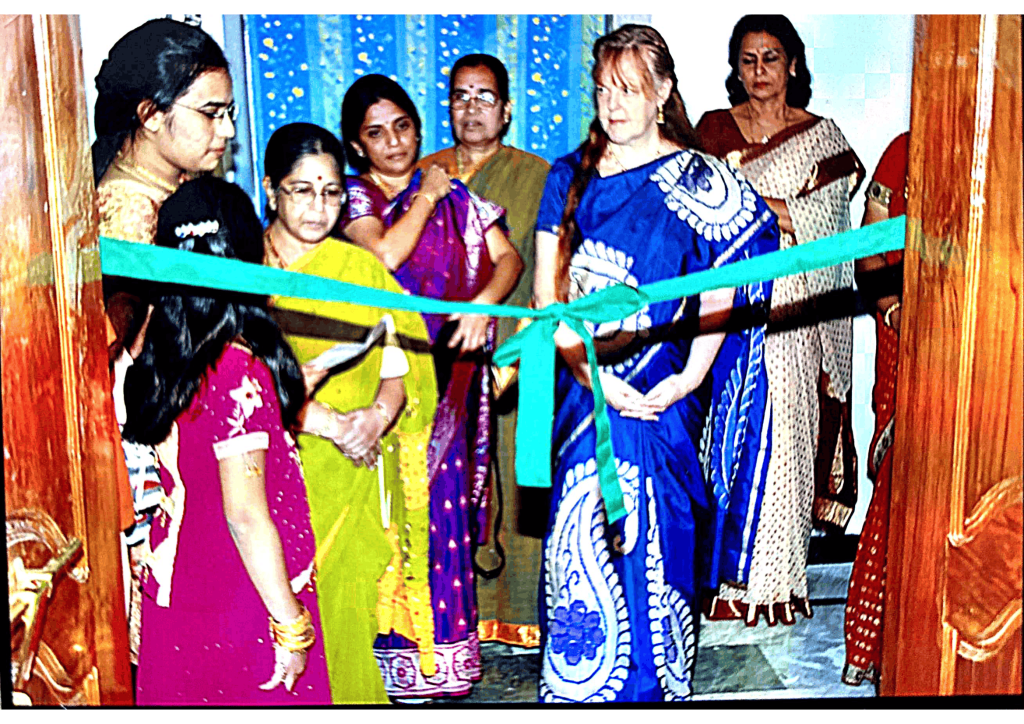
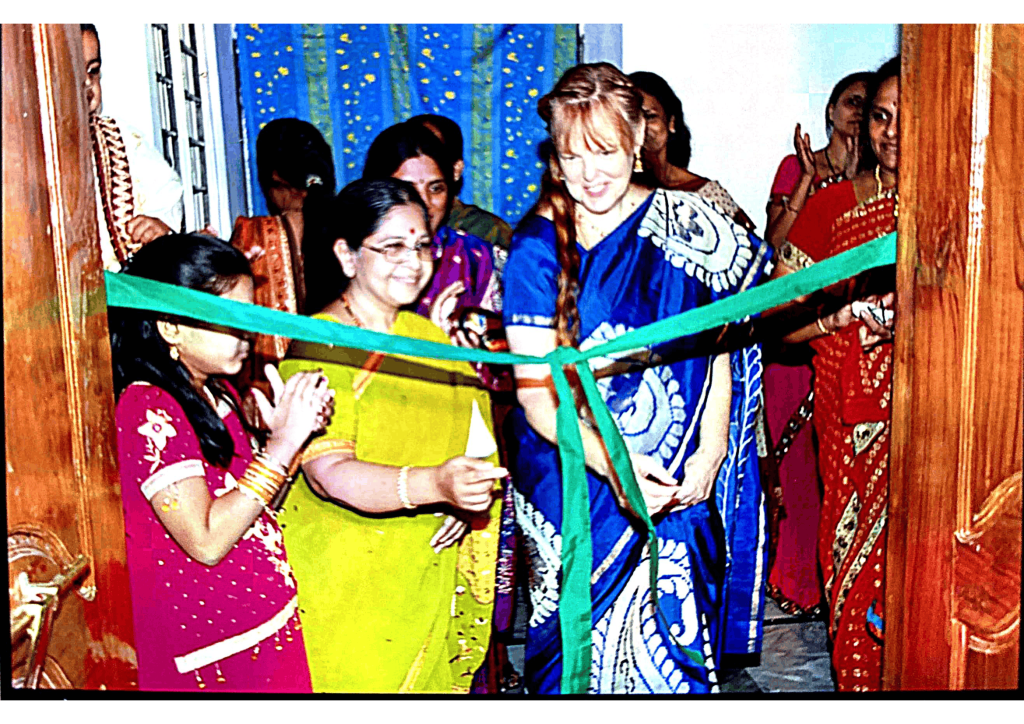
In 2009, upon completing the Elementary course, Samagna took another historic step: its first Elementary classroom was established.
For the children and families who had wished to continue their journey within Samagna, this was the fulfilment of a long-held aspiration.
The journey that had begun in 1998 with a small group of children was now expanding into a more complete educational path—allowing children to remain within an environment founded upon respect for their development, independence, curiosity, and potential.
The opening of the first Elementary classroom was therefore not simply an expansion of the school.
It represented the continuation of a promise made years earlier:
that a child who entered Samagna would be given the opportunity to keep growing, exploring, and learning in an environment that honoured the child.
From one child, to nine children, to a growing community—and now into the Elementary years—the original seed planted in 1997 continued to grow.
The tree was no longer merely a dream. It was becoming a home for generations of children.